Defining Power Electronics
Power electronics is a branch of electrical engineering that deals with the conversion and control of electric power using semiconductor devices. It combines principles from electronics, control systems, and electrical power to efficiently manage electrical energy.
The key characteristics of power electronics include:
- Use of solid-state electronics (transistors, diodes, thyristors, etc.) for switching operations
- Efficient conversion of electrical energy from one form to another
- Precise control of voltage, current, frequency, and phase
- Fast switching capabilities with minimal power loss
Modern power electronics heavily relies on devices like MOSFETs (Metal-Oxide-Semiconductor Field-Effect Transistors), IGBTs (Insulated Gate Bipolar Transistors), and other semiconductor switches that can handle high power levels while providing precise control.
Four Main Types of Power Converters
Power electronic converters can be classified into four main categories based on the type of input and output power they handle:
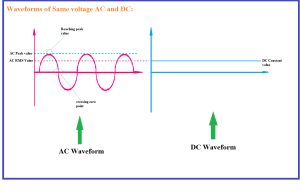
A rectifier converts alternating current (AC) to direct current (DC). Common applications include:
- Phone Charger: Converts AC mains supply to DC for charging batteries
- Computer Power Supply: Converts AC to multiple DC voltage levels
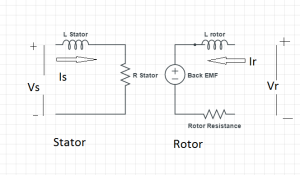
- DC Motor Drives: Provides DC power for DC motor control
- Battery Charging Systems: Charges batteries from AC supply
An inverter converts direct current (DC) to alternating current (AC). Applications include:
- Solar Systems: Converts DC from solar panels to AC for grid connection
- Uninterruptible Power Supplies (UPS): Provides AC power during outages
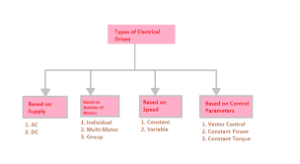
- Variable Frequency Drives (VFDs): Controls AC motor speed
- Electric Vehicle Drives: Converts battery DC to AC for motor operation
A chopper converts DC to another level of DC voltage (either higher or lower). Applications include:
- Voltage Regulators: Maintains constant output voltage
- DC Motor Speed Control: Adjusts motor voltage for speed control
- Switched-Mode Power Supplies (SMPS): Efficient voltage conversion in electronics
- Electric Vehicle Battery Management: Regulates voltage levels in battery packs
These converters change AC power parameters without an intermediate DC stage. Applications include:
- Fan Speed Control: Adjusts AC voltage for speed regulation
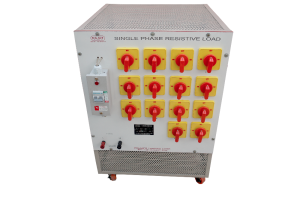
- Industrial Heating: Controls power to heating elements
- High-Power Motor Drives: Direct frequency conversion for large motors
- Lighting Control: Dimming of AC lighting systems
Pros and Cons
Power electronic converters offer several advantages but also come with certain limitations:
- High Efficiency: Modern converters can achieve efficiencies of 90-98%
- Compact Size: Smaller footprint compared to mechanical or magnetic alternatives
- Precise Control: Accurate regulation of voltage, current, and frequency
- Fast Response: Millisecond-level response times for control adjustments
- Low Maintenance: No moving parts result in reduced maintenance requirements
- Flexibility: Ability to control multiple parameters with the same device
- Electrical Noise: Switching operations create harmonics that can interfere with other equipment
- Complex Control: Requires sophisticated control algorithms and feedback systems
- EMI Issues: Electromagnetic interference can affect nearby electronic devices
- Heat Generation: Power losses result in heat that requires thermal management
- Initial Cost: Higher upfront cost compared to simple mechanical alternatives
- Susceptibility to Voltage Spikes: Sensitive semiconductor devices can be damaged by surges
Applications in Modern Technology
Power electronics plays a crucial role in numerous modern applications:
- Renewable energy systems (solar inverters, wind turbine converters)
- Electric and hybrid vehicles (battery management, motor drives)
- Data centers (UPS systems, power distribution)
- Consumer electronics (phone chargers, laptop adapters)
- Industrial automation (VFDs, servo drives)
- Smart grid technologies (grid-tied inverters, FACTS devices)