The Importance of Earthing
Earthing (also known as grounding) is a critical safety feature in any electrical installation. It provides a safe path for electrical current to flow to the ground in case of faults, protecting both people and equipment from electric shock.
Proper earthing serves several important functions:
- Personal Safety: Prevents electric shock by providing a low-resistance path for fault currents
- Equipment Protection: Protects electrical appliances from damage due to voltage surges
- Fire Prevention: Reduces the risk of electrical fires caused by fault currents
- Voltage Stabilization: Helps maintain stable voltage levels in the electrical system
Despite its importance, earthing systems can deteriorate over time due to corrosion, loose connections, or physical damage. Regular testing helps ensure your home’s electrical safety.
Using a Multimeter
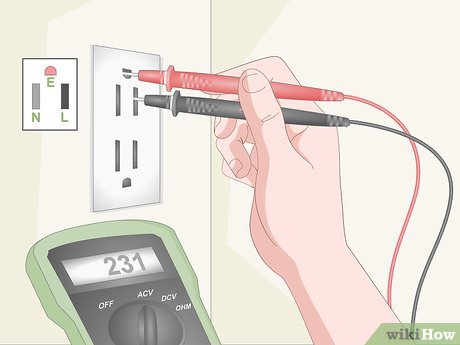
A digital multimeter is one of the most accurate tools for testing earthing systems. Here’s a step-by-step guide:
- Ensure the multimeter is functioning properly with fresh batteries
- Set the multimeter to measure AC voltage (V~)
- Identify the main electrical panel and the earth terminal
- Line to Neutral Test: Measure voltage between the live (Line) and neutral terminals. You should read approximately 230V (or your local standard voltage).
- Line to Earth Test: Measure voltage between the live (Line) and earth terminals. This should also read approximately 230V if earthing is proper.
- Neutral to Earth Test: Measure voltage between neutral and earth terminals. In a properly earthed system, this should read close to 0V (typically less than 5V).
If the Neutral to Earth voltage is significantly higher than 5V, it indicates a problem with the earthing system.
Using a Test Lamp
A test lamp (also called a voltage tester or continuity tester) is a simpler but less precise method for checking earthing:
- Ensure the test lamp is in good working condition
- Verify the lamp lights up when connected between Line and Neutral
- Line to Neutral Test: Connect the test lamp between Line and Neutral. The lamp should glow brightly.
- Line to Earth Test: Connect the test lamp between Line and Earth. The lamp should glow with similar brightness as the Line to Neutral test.
If the lamp glows much dimmer or doesn’t glow at all when connected between Line and Earth, the earthing system may be faulty.
Interpreting Results
Proper earthing should produce these results:
- Line to Neutral voltage: 230V ± 10%
- Line to Earth voltage: 230V ± 10%
- Neutral to Earth voltage: Less than 5V
- Test lamp brightness: Similar for both Line-Neutral and Line-Earth connections
Warning signs of poor earthing include:
- Significant voltage difference between Neutral and Earth
- Dim or no glow when testing Line to Earth with a test lamp
- Tingling sensation when touching electrical appliances
- Frequent blowing of fuses or tripping of circuit breakers
SAFETY DISCLAIMER: These are basic checks that can help identify potential earthing problems. However, electrical work can be dangerous and should only be performed by qualified electricians. If you suspect issues with your earthing system, consult a licensed professional immediately. Never attempt to fix electrical problems yourself unless you are properly trained and equipped.
When to Call a Professional
Contact a licensed electrician if you observe any of these conditions:
- Voltage readings outside normal ranges
- Inconsistent test results
- Visible damage to electrical panels or wiring
- Any doubt about the safety of your electrical system