Introduction to Electric Drives
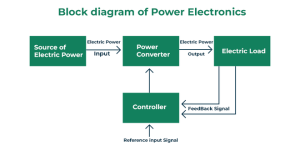
An electric drive is a system that uses electrical energy to drive mechanical loads. It is an essential component in modern industrial applications, offering precise control over motion parameters such as speed, torque, and position. The system typically consists of three main components:
- Motor: Converts electrical energy into mechanical energy
- Power Modulator: Regulates the power supplied to the motor
- Control Unit: Manages the overall operation of the drive system
Control Systems
The control unit is the brain of the electric drive system. It continuously monitors and adjusts the motor’s performance based on feedback from sensors. This sophisticated control allows for:
- Precise speed regulation
- Torque control for various load conditions
- Positioning accuracy in robotics and automation
- Energy optimization through efficient power management
Modern control systems often employ advanced algorithms and microprocessors to achieve high-performance operation with minimal energy loss.
Types of Electric Drives
Electric drives can be classified based on the type of motor used and their configuration:
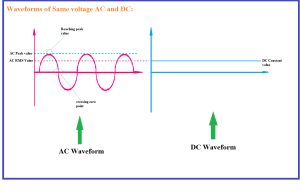
- AC Drives: Use alternating current motors, popular for their robustness and low maintenance
- DC Drives: Use direct current motors, known for excellent speed control characteristics
- Individual Drives: Each machine has its dedicated motor
- Group Drives: Single motor drives multiple machines through mechanical transmission
- Multi-motor Drives: Multiple motors work together to drive a single large-capacity machine
Advantages of Using Electric Drives
Electric drives offer numerous benefits over conventional mechanical drive systems:
- High Efficiency: Modern electric drives can achieve efficiencies of over 90%
- Precise Control: Advanced control algorithms allow for accurate speed and torque regulation
- Lower Maintenance: Fewer moving parts compared to mechanical systems
- Environmental Benefits: Zero emissions at the point of use and quieter operation
- Flexibility: Easy integration with automation and control systems
- Compact Design: Smaller footprint compared to hydraulic or pneumatic systems
Applications
Electric drives are used in a wide range of industries:
- Industrial manufacturing and automation
- Electric vehicles and transportation
- Heating, ventilation, and air conditioning (HVAC) systems
- Pumps and compressors
- Elevators and escalators
- Conveyor systems